

The Versatile Uses of Tarpaulin: A Practical Essential in Everyday Life
Tarpaulin, often referred to as "tarp," is an incredibly versatile and indispensable material that has earned its place in a variety of applications. Made from durable and water-resistant materials such as polyethylene or PVC, tarpaulins are designed to withstand harsh conditions, making them invaluable across industries and households alike. Whether it's offering protection against extreme weather, playing a pivotal role in construction, or serving as a handy tool for outdoor activities, tarpaulin proves itself to be one of the most practical resources in modern life. Let’s explore its wide-ranging uses in more detail.
Shielding Against the
Elements
One of the most common
uses of tarpaulin is for weather protection. Its robust design provides an
affordable solution for shielding objects and spaces from rain, sunlight, and
wind.
●
Applications:
○
Covering construction materials to
prevent weather-related damage.
○
Protecting outdoor assets such as
furniture, vehicles, and boats.
○
Acting as temporary roofing for
homes and structures under repair.
By providing a
reliable barrier against the elements, tarpaulin helps preserve valuable items
and maintain operations in adverse conditions.
Creating Shelter and
Camping Essentials
Tarpaulins are a
staple for outdoor enthusiasts and emergency responders alike. Their
lightweight and portable nature make them ideal for creating quick and
effective shelters.
●
Applications:
○
Constructing temporary tents or
awnings during camping trips.
○
Serving as ground covers to keep
camping areas clean and dry.
○
Providing emergency housing during
natural disasters such as floods or earthquakes.
These uses highlight
tarpaulin’s importance in situations where practicality and speed are
essential.
Supporting Agricultural
Activities
In the agricultural
sector, tarpaulins offer critical support by protecting produce, livestock, and
equipment from environmental damage.
●
Applications:
○
Shielding harvested crops from
rain or harsh sunlight.
○
Creating shaded areas for
livestock during extreme heat.
○
Acting as weed barriers when used
as ground covers for soil beds.
By safeguarding
resources and improving efficiency, tarpaulins contribute to sustainable
agricultural practices.
Ensuring Safe
Transportation
Logistics and
transportation rely heavily on tarpaulin for securing goods during transit. Its
durability and adaptability make it an essential tool in the industry.
●
Applications:
○
Covering cargo on open trucks and
trailers to protect it from the elements.
○
Lining shipping containers to
prevent leaks and contamination.
○
Wrapping delicate or oversized
items like machinery or boats for added security.
These applications
ensure that goods arrive safely at their destination, minimizing losses and
enhancing supply chain reliability.
Enhancing Events and
Outdoor Setups
Event planners often
turn to tarpaulins for their versatility and durability in creating outdoor
setups.
●
Applications:
○
Setting up canopies and backdrops
for outdoor events.
○
Protecting flooring from mud and
water during festivals or gatherings.
○
Designing partitions or displays
for fairs and exhibitions.
Tarpaulins provide
functional and creative solutions that make outdoor events more organized and
visually appealing.
Playing a Critical Role
in Construction
Construction sites are
among the most common places where tarpaulin is used extensively. Its strength
and weather resistance make it a vital resource.
●
Specialized Applications:
○
Waterproofing Shuttering: Used in formwork to
prevent water seepage, ensuring the structural integrity of concrete
constructions.
○
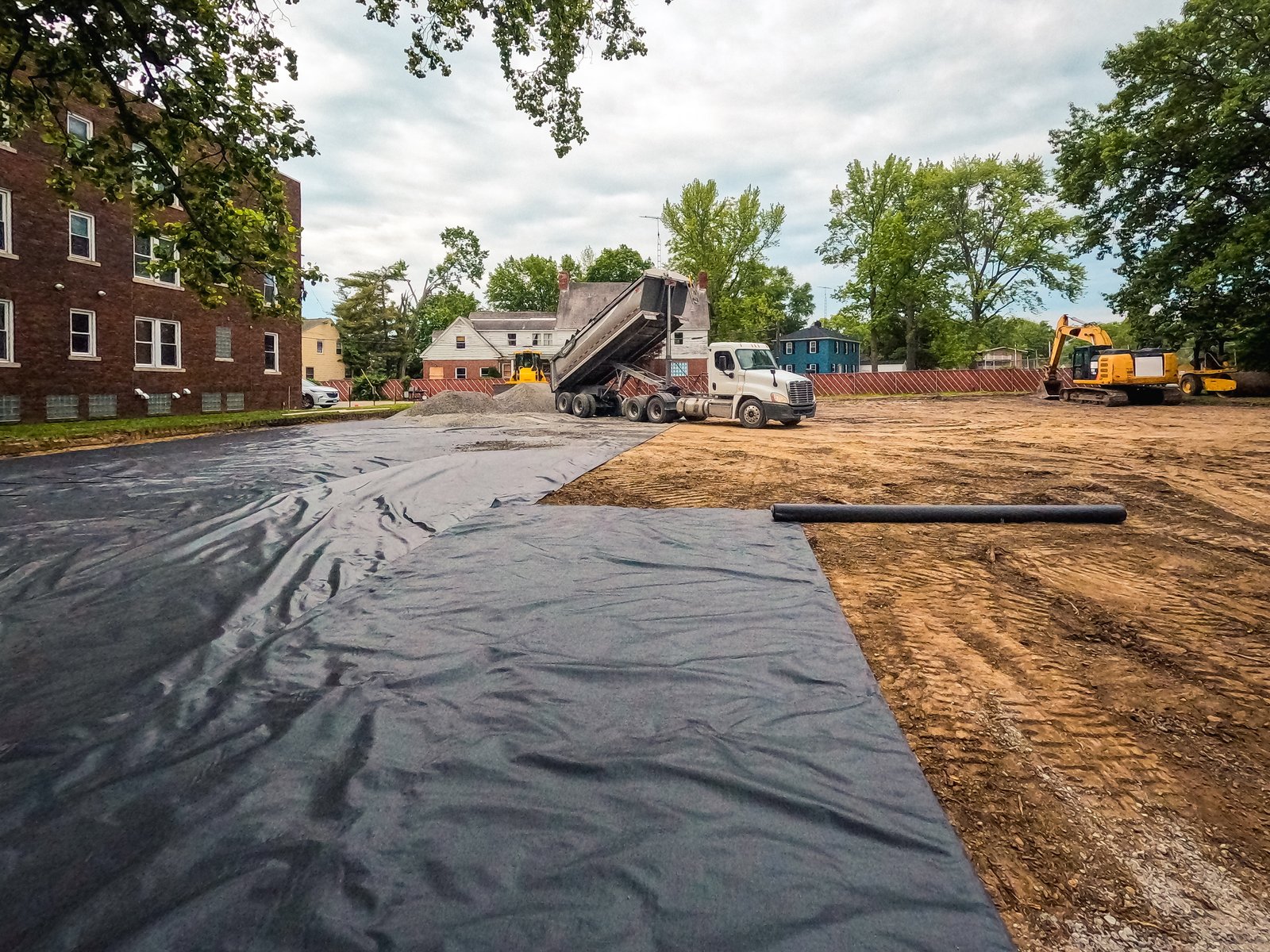
Under Roads and Foundations: Acts as a barrier
to prevent water infiltration, stabilizing the ground and enhancing durability.
○
Protecting scaffolding and
construction tools from weather exposure.
○
Containing debris during
demolition or renovation work.
By supporting various
phases of construction, tarpaulins help maintain safety and efficiency on site.
Everyday Household and
Recreational Uses
Beyond industrial and
commercial applications, tarpaulins are a practical tool for household and
recreational purposes.
●
Applications:
○
Protecting floors and furniture
during painting or home renovation projects.
○
Creating makeshift play areas or
water slides for children.
○
Lining storage spaces like
basements or sheds to prevent moisture damage.
These everyday uses
demonstrate the material's utility in personal projects and leisure activities.
Conclusion
While tarpaulin might
appear to be a simple material, its versatility and practicality make it an
essential resource in both professional and personal settings. From agriculture
and construction to transportation and recreation, tarps serve a wide array of
needs with reliability and affordability. In industries like construction,
their role in waterproofing and infrastructure stability is particularly
invaluable. Whether you’re a farmer, an event planner, or a homeowner,
tarpaulin offers solutions that simplify tasks and protect what matters most.
